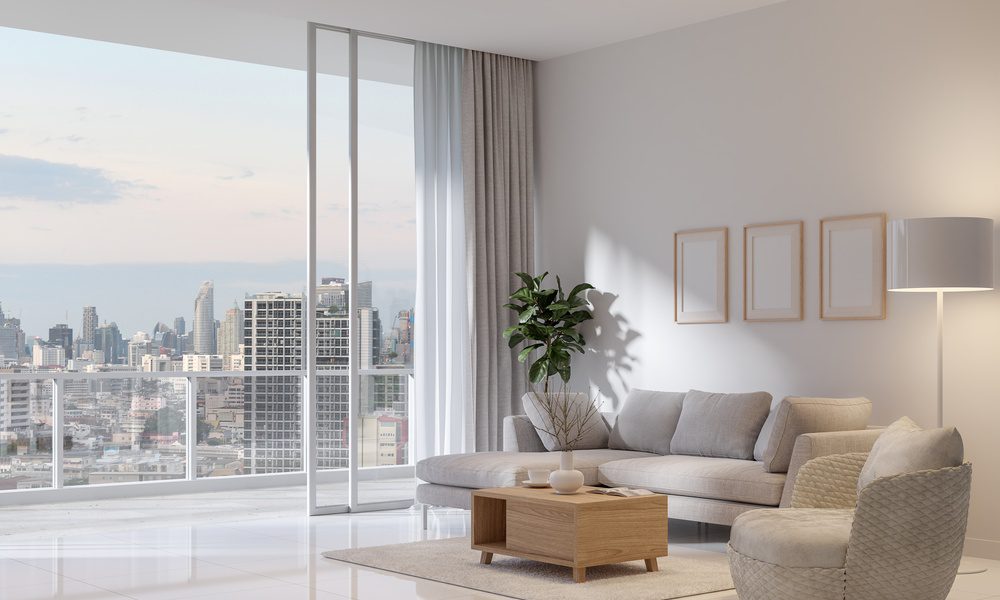
Top-floor apartments appeal to many people, especially when you enjoy a great view and avoid noise from above. The extra privacy attracts renters, too. Still, living at the top of a building presents some challenges you might overlook during a quick tour.
When you know what to check before renting a top-floor apartment, you can spot potential problems before you sign a lease. After all, summer heat can make the bedroom uncomfortable, or the elevator might stop working every other week, reducing the apartment’s appeal.
If you live directly beneath the roof, you face a higher risk of water damage. A small roofing problem can let rainwater reach the ceiling before anyone notices trouble elsewhere in the building. Unfortunately, fresh paint can hide evidence of previous leaks.
During your tour, look closely at the ceiling near exterior walls. Yellowish stains or bubbling paint deserve scrutiny, especially around corners. If you notice anything suspicious, ask the landlord about previous roof repairs and whether the problem has returned.
Pay attention to musty odors, too. Sometimes, a room looks perfectly clean while moisture stays trapped behind the drywall. Ask when the building last had someone inspect the roof, especially if the property has an older roofing system.
Top-floor apartments often feel warmer than units below because the roof absorbs heat throughout the day. Poor insulation can worsen the problem and force the cooling system to work harder to keep temperatures comfortable.
Schedule your viewing during the afternoon, after the sun has had several hours to warm the building. Notice whether the bedroom feels noticeably hotter than the living room.
A comfortable temperature during your viewing doesn’t tell you much about monthly electricity bills. Ask the landlord or previous tenant for summer utility estimates, if available.
An older air conditioner can struggle during a heat wave, which drives up electricity costs and fails to keep the apartment comfortable. When you understand the building’s insulation and cooling performance, you can budget more accurately.
A beautiful bathroom loses its appeal if the shower barely produces enough water to rinse shampoo from your hair. Before you leave the apartment, turn on the shower and check how strongly water flows. Check the kitchen faucet as well. If both fixtures have weak flow, ask other residents whether they experience similar problems.
The building’s height can contribute to low water pressure on upper floors, especially if the plumbing system struggles to deliver enough pressure to higher apartments. Some buildings use booster pumps to maintain adequate water pressure.
Ask the property manager about recurring complaints and recent plumbing maintenance. When you test the water flow during your tour, you get a better idea of what everyday routines will feel like.
An elevator makes top-floor living convenient until it breaks down. You might get frustrated waiting several minutes every morning, especially if you rush to work or take children to school.
Don’t settle for seeing the elevator doors open once! Ride the elevator during your visit and notice how smoothly the system operates. If the building has several elevators, check whether they all work.
Even a reliable elevator needs occasional maintenance. Before you commit to an upper-floor apartment, consider how you will manage without an elevator.
Consider these questions during your visit:
These details matter most for families with young children or anyone with mobility concerns.
One major attraction of top-floor living is that you have no upstairs neighbors. Unfortunately, the roof can introduce a different kind of noise.
Some apartment buildings keep mechanical equipment on the roof. Large ventilation fans can create a constant hum, especially near bedrooms. Equipment vibrations sometimes travel through the building structure, so you might hear noise even with the windows closed.
Spend a few quiet minutes listening during your viewing. You’ll get a better sense of the sounds you might hear every evening.
Fresh air becomes especially welcome when summer temperatures rise. Unfortunately, some apartments have windows with limited openings or awkward placements.
Try opening the windows during your tour if the landlord allows it. Notice whether the windows move smoothly and close tightly. Damaged seals can let in drafts in winter, which increases heating costs.
Also consider whether the apartment has windows on opposite sides. This arrangement often improves natural airflow when outdoor conditions permit.
The excitement of a top-floor view can make ordinary errands seem unimportant. But once moving day arrives, you might wonder how to get a heavy couch through the building.
Check the elevator dimensions before ordering large furniture. Some older buildings have small elevators with limited space for bulky items. Ask how package deliveries work, too. Does the building have a secure package room, or would you need to collect everything from the lobby?
You’ll handle these everyday routines long after the novelty of the view wears off.
A top-floor apartment may cost more because of its location in the building. Before you agree to the monthly rent, consider whether the benefits justify the additional expense.
Look beyond the advertised price. If the unit uses electric heating, expect winter utility bills to affect your budget as well. A slightly cheaper apartment on another floor might offer better value once you compare the full monthly expenses.
A second viewing lets you notice details you missed the first time. Visit at a different time, especially if your original tour was on a quiet weekday morning.
When you check everything carefully before renting a top-floor apartment, you can weigh the appealing view against the realities of everyday living. The right apartment will feel comfortable after moving day, too. If you spend enough time investigating the practical details, you’ll get a clearer picture of whether the top floor suits your lifestyle and budget.
Protect your home retrofit from costly moisture damage. Learn what to check after renovations, how…
Discover where hard hat safety usually goes wrong and how to avoid common mistakes involving…
Hidden damage and outdated systems can complicate a remodeling project. Take these steps to manage…
Real estate investments come with different financial opportunities, expenses, and levels of risk. Consider these…
Understand how an FRL improves compressed air quality, reduces equipment wear, and helps industrial facilities…
Discover practical strategies for building a successful real estate investment portfolio, from choosing properties to…