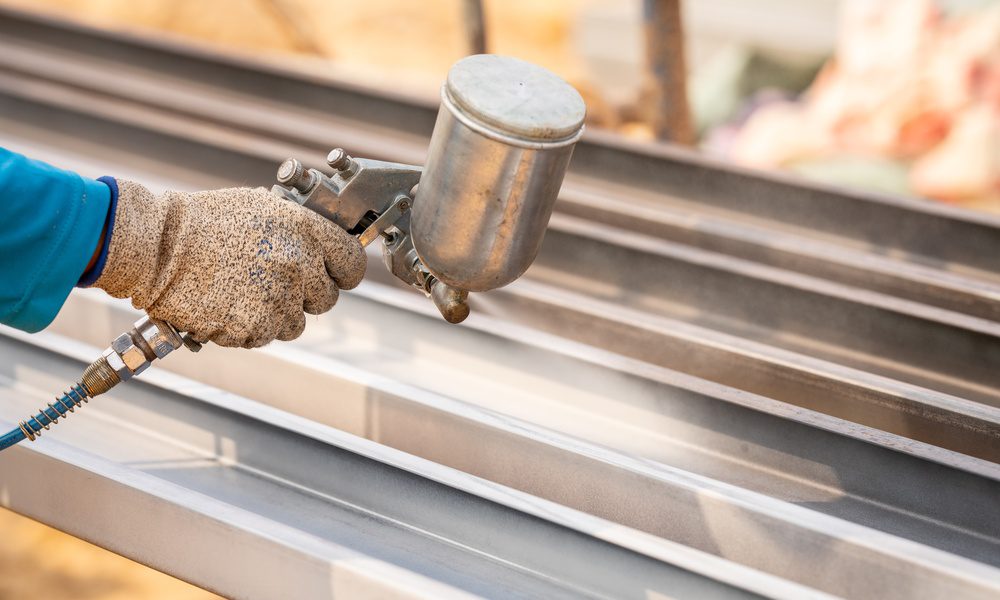
Industrial equipment and structures face constant exposure to moisture, chemicals, abrasion, and changing temperatures. Over time, these conditions weaken protective finishes and leave valuable assets vulnerable to corrosion or surface damage. Understanding the benefits of industrial recoating helps facility owners protect their investments while maintaining dependable operations.
A planned recoating strategy can restore a durable barrier before deterioration reaches the underlying material, reducing the need for extensive repairs. It also gives businesses greater control over maintenance schedules and workplace appearance. By addressing worn coatings at the right time, companies can extend asset life while strengthening performance and supporting a safer working environment without immediately replacing serviceable equipment.
A protective coating serves as a shield between an industrial asset and the conditions surrounding it. Once that shield begins visibly to crack or peel, moisture and corrosive substances can reach the substrate. Recoating renews the barrier and slows the deterioration that would otherwise shorten the asset’s useful life.
This protection matters for steel tanks, structural supports, production machinery, and concrete surfaces. Each asset represents a meaningful investment, so premature replacement can strain maintenance budgets. A timely new coating allows the original material to keep performing its intended role. It can also prevent minor surface wear from developing into deep corrosion or structural damage that requires specialized repair.
Industrial recoating requires an upfront expense, but it can reduce larger costs over time. Surface deterioration rarely stops on its own. When a company postpones treatment, damaged areas can spread beneath the remaining finish and make later restoration more complicated. Early recoating keeps the scope of work manageable and protects the value already invested in the asset.
A well-maintained coating also reduces the frequency of emergency repairs. Maintenance teams can plan work around production needs instead of reacting to unexpected failures. Planned service makes labor requirements easier to manage and limits costly rush orders for materials. The company gains a more predictable maintenance budget while preserving equipment that still has years of productive use available.
Corrosion can compromise metal surfaces quietly before obvious damage appears. Water, salt, cleaning agents, and process chemicals may attack exposed areas and gradually weaken the substrate. Industrial coatings create a resistant layer that limits direct contact between these substances and the asset. Recoating restores that protection where age or daily use has reduced its effectiveness.
Facilities can select coating systems that match the hazards in a particular setting. A production floor may need resistance to chemical spills, while exterior steel may need strong protection from rain and sunlight. Matching the coating to the environment improves durability and helps the surface withstand routine exposure. This targeted approach supports better performance than leaving every asset with a worn or unsuitable finish.
Damaged surfaces can create safety concerns for employees. Peeling material may contaminate a controlled area, while corroded components can lose strength. Worn floor coatings may also become difficult to clean or provide inconsistent traction. Recoating corrects these problems before they contribute to an incident or disrupt normal work.
Color and finish choices can support safer movement through a facility. Bright coatings can make railings more visible and clearly marked floor zones can separate pedestrian paths from equipment areas. A smooth, intact surface also simplifies cleaning because dirt cannot settle as easily into cracks. These improvements help employees follow established procedures and keep work areas in dependable condition.
Unexpected asset failure can interrupt production and create delays throughout an operation. Recoating helps prevent these disruptions by protecting equipment housings and other key structural elements from avoidable degradation. When surfaces remain sealed, the underlying components have a better chance of functioning reliably under demanding conditions.
The industrial recoating process also allows facility managers to coordinate maintenance with scheduled shutdowns. Crews can prepare surfaces and apply the new system during an established service window. This coordination limits interference with normal production and gives the coating enough time to cure properly. Careful scheduling turns protective maintenance into a controlled project instead of an urgent response to visible failure.
An older coating may no longer suit the way a facility uses an asset. Production conditions can change, and new cleaning methods may introduce stronger chemicals while equipment moves to a harsher area. Recoating gives managers an opportunity to select a system based on current demands rather than relying on a finish chosen years earlier.
Modern coating options can offer improved resistance to abrasion or moisture when the application requires it. Managers can also choose finishes that support easier cleaning or provide better visibility. Before making a selection, the project team should examine the substrate and operating environment. This review helps ensure that the new coating addresses the actual causes of wear and delivers appropriate protection.
Timing affects the success and cost of a recoating project. Acting before widespread failure usually requires less surface repair and reduces the risk of hidden deterioration. However, applying a new layer without proper evaluation can trap contamination or fail to correct adhesion problems. An experienced coating professional can assess existing conditions and recommend preparation methods that support a durable result.
Successful recoating depends on more than selecting a preferred color. The new system must bond to the prepared surface and tolerate the asset’s operating conditions. Temperature exposure and expected contact with chemicals directly influence product selection. The application method and available curing time also shape the final recommendation.
Surface preparation remains essential because even a high-quality coating cannot perform well over contamination or areas with active corrosion. Contractors may clean the substrate and remove failed sections before applying the specified layers. Careful preparation promotes adhesion and creates a uniform foundation. When every stage supports the same performance goal, the finished system can provide dependable protection for years.
Understanding the benefits of industrial recoating allows decision-makers to treat surface protection as a strategic maintenance priority. Recoating can preserve valuable assets and control repair costs while supporting reliable operations when professionals match the system to facility conditions. The work also improves safety and presents a more cared-for environment.
Companies gain the greatest value when they monitor coatings regularly and act before minor wear becomes serious damage. With proper preparation and thoughtful scheduling, a renewed coating can extend service life without forcing unnecessary replacement. That practical investment helps industrial facilities remain productive while protecting the equipment and structures that support daily work.
Brand managers who plan campaign costs strategically gain a sharp view of budgeting, timing, priorities,…
One bad month should not wreck your passive income plan. Set cash reserves and exit…
Improve your workspace with office renovation ideas that support employee comfort, boost morale, and create…
Make transportation easier for people with disabilities with practical tips for accessible vehicles, mobility equipment,…
Does your kitchen still create scraps even after careful meal planning? See where those leftovers…
Preserve cherished memories through thoughtful fabric choices and careful craftsmanship that create a personal keepsake…