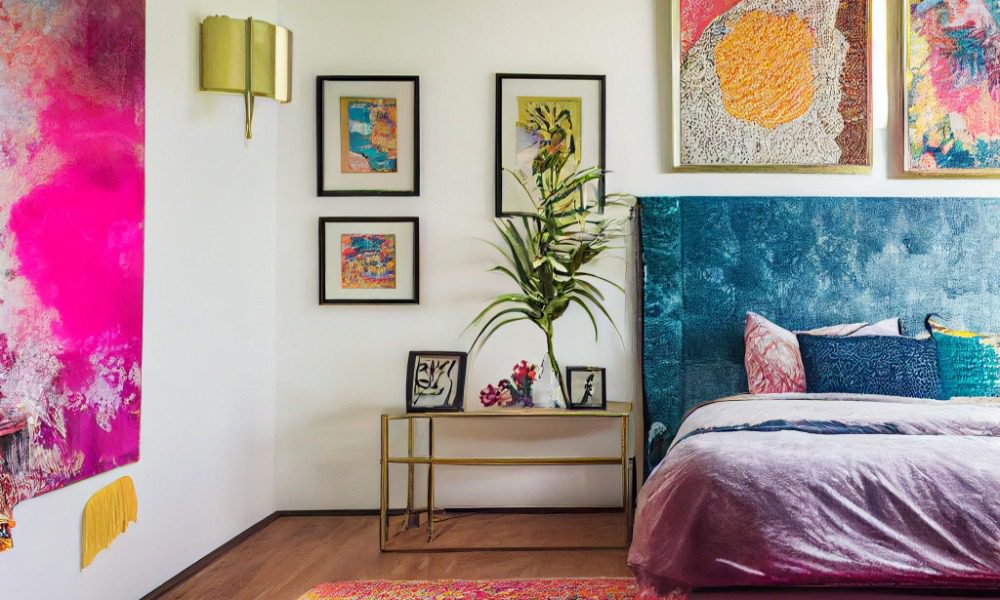
Ever walked into a room filled with colorful artwork, patterned pillows, and unusual decorations, yet somehow everything looked like it belonged together? That’s the appeal of maximalist design, where bold choices and personal touches create a space full of character. Still, creating and nailing a maximalist home takes some planning to keep your favorite pieces from competing with one another. With a few thoughtful decorating choices, you can embrace this expressive style while keeping your home comfortable and inviting.
Maximalist decorating embraces color, but that doesn’t mean every shade needs to compete for the spotlight. Start with two or three main colors that work well together, then repeat them throughout the room to create consistency. For instance, emerald green and mustard yellow can look striking alongside deep blue, especially when these shades appear in different furnishings and decorative accents.
Before settling on a palette, think about how you want the room to feel. Rich jewel tones can create a cozy, dramatic atmosphere, while brighter shades bring a more playful energy. Also test paint samples under different lighting conditions, since colors can look surprisingly different throughout the day.
Mixing patterns is one of the most enjoyable parts of creating and nailing a maximalist home, especially when you find designs that complement one another in unexpected ways. The trick is to give each pattern a distinct role rather than letting several equally bold prints compete. Choose one dominant design and build around it with smaller or quieter patterns to create variety without overwhelming the room.
Sometimes, the easiest way to make a bold pattern stand out is to surround it with something simpler. A floral sofa, for example, can look more balanced with solid velvet cushions or understated curtains that pick up one of its colors. If you’re working with existing upholstery, understanding how to match fabric prints to furniture can make choosing complementary designs easier. Solid fabrics also give the eye somewhere to rest, allowing statement patterns to shine without dominating every corner.
Even a colorful room can feel a little flat when everything has the same finish. Layering materials with different textures adds depth and makes the space more inviting, whether that’s a soft velvet cushion against a leather sofa or a woven rug beneath a polished coffee table. The contrast between smooth, rough, and plush surfaces adds another layer of interest beyond color and pattern.
Texture can also make a noticeable difference in how comfortable a space feels. Heavy curtains soften hard floors and bare walls, while natural wood brings warmth to rooms with glossy or metallic finishes. For a more cohesive result, repeat a few favorite materials throughout the room instead of introducing a completely different texture with every piece.
Furniture offers an opportunity to introduce personality on a larger scale. Instead of making every piece equally eye-catching, choose a standout item, such as a sculptural armchair or an intricately carved cabinet, to anchor the room. From there, arrange the surrounding furnishings to complement that feature without competing for the same visual space.
You don’t have to buy an entirely new furniture collection to get the effect, either. Reupholstering a favorite chair or painting an old dresser can turn something familiar into a distinctive feature. You can also mix furniture from different eras, as long as there’s a connecting element, such as a shared material, finish, or overall shape.
One of the most appealing things about maximalism is that your home doesn’t need to look like anyone else’s. Rather than hiding meaningful belongings away, you can make them part of the decor and let them tell a little of your story. Whether you’re updating a longtime residence or trying to make a new-build house homey, familiar objects can make the space feel more welcoming and lived-in.
Consider displaying some of these personal touches:
Maximalism celebrates abundance, but that doesn’t mean every available surface needs to be covered. Leaving some open space allows individual decorations to stand out and keeps the room from feeling crowded. Instead of spreading objects evenly across shelves and tables, try creating a few intentional groupings with clear spaces between them.
You can also use decorative storage to keep everyday belongings organized without disrupting your chosen style. A patterned storage box, for instance, can conceal loose items while contributing to the overall design. Every so often, reassess your displays and remove anything that no longer fits, since even a maximalist room benefits from a little editing.
Once your larger design choices are in place, accessories can bring everything together. The key is to repeat a few colors, materials, or finishes in smaller details so the room feels connected rather than randomly assembled. For example, brass picture frames can echo the finish of a nearby lamp, while a decorative vase can pick up a color from the sofa or curtains.
Lighting is worth considering at this stage, too, since it influences how your carefully chosen details appear. Combine different light sources to illuminate artwork, brighten reading corners, and create a softer evening atmosphere. As you add the finishing touches, choose accessories that contribute something meaningful to the space instead of filling gaps simply because they’re empty.
Maximalist decorating gives you the freedom to create a vibrant, expressive home. By combining a thoughtful color palette with varied patterns and textures, you can make adventurous design choices feel connected rather than chaotic. Comfortable furniture arrangements and meaningful decorations also ensure your space remains enjoyable to live in, not just interesting to look at. Start with pieces you already love, experiment with combinations, and let your home’s personality develop naturally.
Keep your car moving on the road comfortably. You can improve your experience behind the…
Learn how to host an eco-friendly wine tasting party with sustainable wine choices, locally sourced…
Moving somewhere colder can be an exciting change, but there's much to consider. Here's what…
The lab results looked extraordinary. Then the first human trial began, and everything changed. What…
Fraud isn't always about money. Discover how deception takes different forms and why some dishonest…
Discover how businesses can prepare for defense industry contracts by understanding military standards, improving quality…