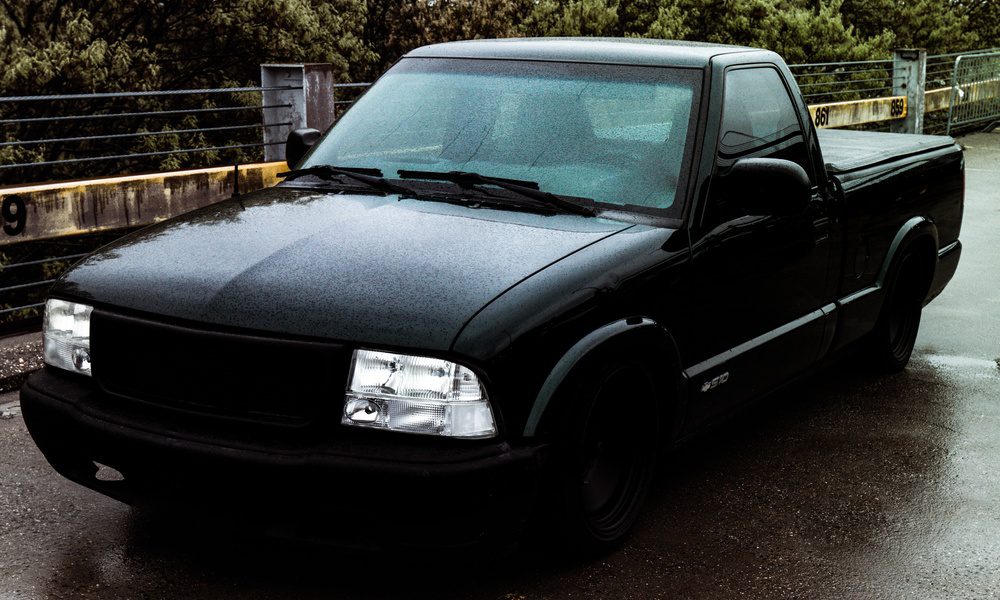
A lowered truck can make stock height look unfinished. The stance is cleaner, the profile looks meaner, and every inch is intentional. Still, the hidden tradeoffs behind lowered trucks show up once the build moves from the parking lot to real pavement. The right drop should make the truck sharper without turning every driveway into a gamble.
Lowering a truck usually means reducing suspension travel, so bumps reach the cabin with less cushioning. The ride might still be comfortable with the right setup, but cheaper parts or an aggressive drop make harshness hard to ignore. Even a small change in height alters how the suspension compresses, which affects how the truck reacts to dips.
A lower center of gravity helps a truck corner with less body roll. However, better handling depends on the suspension geometry staying within a workable range. A compact pickup build, for example, needs the same planning used to lower a Ford Maverick properly, because ride height affects how the suspension sits before the first mile. Without that planning, the truck might look finished, but the handling might feel unpredictable.
Lowered trucks make ordinary pavement details harder to ignore. A steep driveway or tall speed bump forces slower angles and more patience. The front bumper and exhaust are closer to the damage, so daily driving requires more awareness than before. For anyone using the truck for work, ground clearance shapes every route decision.
Lowering changes alignment angles, and that shift affects tire wear if the setup is not corrected. Camber and toe need to work together, or the truck begins eating through tires faster than expected. The issue is not always obvious from the driver’s seat, since the truck might track straight while the tread wears unevenly. Proper alignment after the drop protects both the look and the budget.
A truck that sits lower has less room to squat under a weight. Even light hauling might bring the rear closer to the bump stops, which changes stability on rough roads. Towing adds another layer because tongue weight pushes the suspension down before the trailer moves. Lowering does not erase truck capability, but it narrows the margin for sloppy setup.
Lowered trucks work best when the style choice matches the way the truck is used. A clean drop should be intentional and avoid creating new headaches every week. The hidden tradeoffs behind lowered trucks are manageable when the build respects suspension movement and real driving habits. The payoff is a truck that looks custom without turning an errand into a test.
Learn when a Canada Temporary Resident Permit may help overcome inadmissibility and support necessary travel.…
For crews using ultra-high-pressure water blasting for coating removal and pipe maintenance, find out which…
When maintenance teams look across a production floor, large machines naturally command most of their…
Improve chemical purchasing with clear review standards that help facilities manage risk, support safer operations,…
Create a fulfilling life in NYC with practical habits that support personal confidence and help…
Keep refurbished electronics looking fresh with simple cleaning tips for screens, keyboards, ports, vents, cases,…