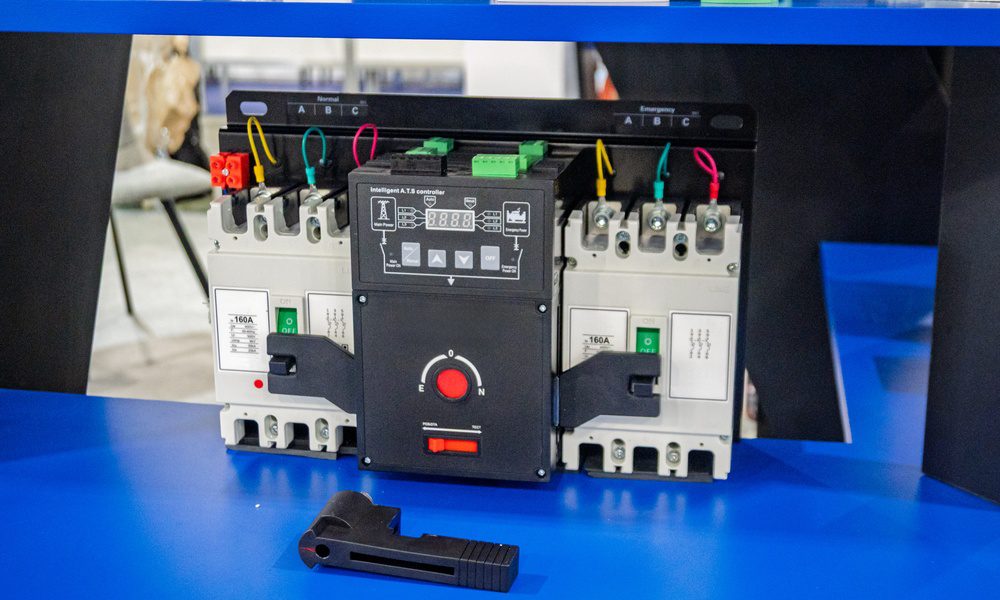
Power interruptions can happen without warning, and an automatic transfer switch helps keep critical equipment online. Even the best equipment can’t deliver reliable performance if someone skips good installation or maintenance habits. Use our quick guide below to learn the mistakes to avoid when using an automatic transfer switch so you can ensure safe, reliable operation.
An automatic transfer switch contains hazardous electrical components, even after utility power disappears. Service work belongs in the hands of qualified personnel with the proper training and protective equipment. A well-intended repair attempt can expose someone to arc flash hazards or unexpected electrical energy. Clear procedures and restricted access help protect both employees and equipment.
You can buy high-quality automatic transfer switches online but keeping these systems in great condition post-installation requires upkeep. An automatic transfer switch spends much of its life waiting for an outage. That quiet period doesn’t mean the equipment stays ready forever. Dust, worn contacts, and loose electrical connections can create trouble after months or years without inspection. Scheduled service keeps every component in good condition and gives technicians a chance to correct small concerns before larger failures appear.
Safety covers serve a real purpose beyond appearance. Those barriers reduce accidental contact with energized parts and shield internal components from dirt and debris. A missing panel also raises the chance of someone reaching into the equipment at the wrong time. Every cover should return to its proper place after inspection or service.
Many facilities install backup power equipment and assume everything will work during an emergency. That approach leaves too much to chance. Periodic testing confirms that the transfer switch communicates correctly with the generator and transfers power as expected. Think of it like a fire drill. Everyone hopes the real event never arrives, but practice builds confidence long before an emergency occurs.
Reliable backup power begins long before the lights go out. Smart equipment selection, scheduled inspections, routine testing, and complete system evaluations all support dependable operation. Remember these mistakes to avoid when using an automatic transfer switch so you can keep your workflow safe every single day.
Internal business data should be for more than routine record-keeping. Start understanding how to use…
Poor attic ventilation traps heat and moisture, increasing the risk of roof damage and higher…
Discover which U.S. regions face the highest wildfire risk and why dry weather, wind, heat,…
Fire truck warning signs help crews catch leaks, pump trouble, brake changes, and lighting issues…
Learn how compressed air supports construction work by powering tools, improving efficiency, and helping crews…
Parents often spend their downtime swirling thoughts of how to enrich their kids’ lives and…