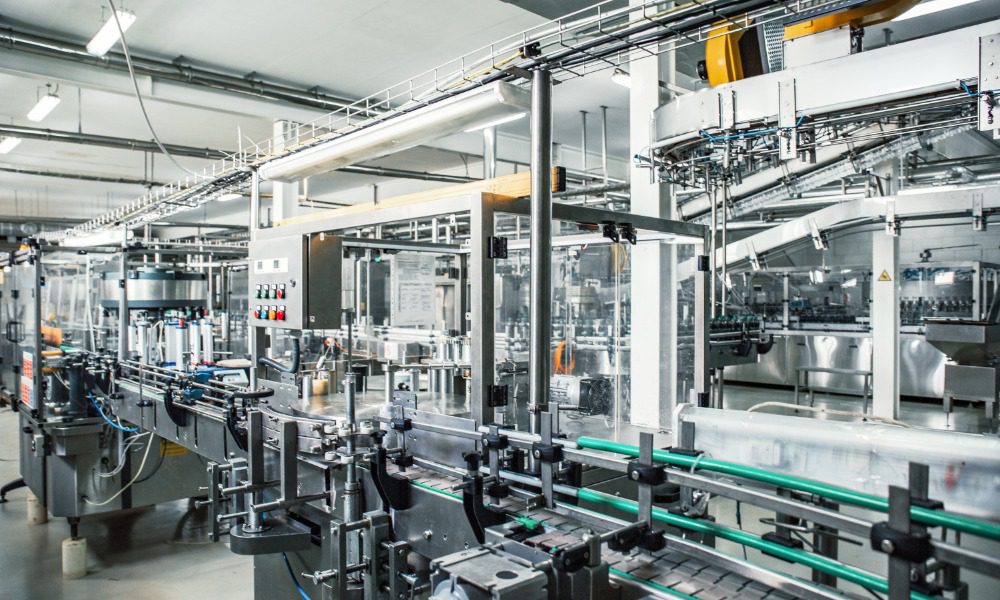
Plastics processors rely on hydraulic systems, gearboxes, and auxiliary equipment to keep production moving. Oil reduces friction while carrying heat away from moving components. It also collects evidence of contamination and internal wear. Monitoring oil helps protect plastics processing equipment because maintenance teams can spot changes before they lead to longer shutdowns.
Injection molders and extruders often run equipment through extended production cycles. A failed pump or damaged bearing can interrupt orders while technicians wait for parts.
Routine oil analysis gives plants time to investigate unusual readings and schedule repairs during planned service windows.
Used oil reveals a machine’s internal condition during operation. Laboratory tests can analyze viscosity changes, detect water presence, and identify particles from component wear. One sample offers a snapshot of the current state, while regular sampling uncovers trends over time.
This history enables technicians to determine if contamination levels stay stable or exceed normal ranges. Trend data also helps prevent overreaction to a single unusual result, which might be a sampling error or influenced by recent maintenance. Repeated analysis provides more reliable insights than a single measurement.
Maintenance teams should align lab results with the machine’s service history, considering operating temperature and unusual noises for additional context. When multiple indicators point to a specific component, technicians can focus on that area, avoiding full system disassembly.
Hydraulic systems contain pumps and valves with narrow internal clearances. Particles that remain invisible to the eye can interfere with those components. Contaminants may enter while workers fill a reservoir or replace a filter. Worn parts can create debris inside the system.
ISO 4406 gives maintenance teams a standard way to describe particle contamination in hydraulic fluid. The code reports cleanliness levels based on particles within defined size ranges. Technicians can compare the result with limits from the equipment manufacturer.
Portable particle counters work well for periodic checks. Inline monitors can provide more frequent readings while the machine operates. Continuous monitoring may suit production lines that run for long periods with limited downtime.
A rising particle count does not identify the source on its own. Technicians still need to review filter condition and recent service work. They should also inspect fluid-transfer practices. When readings increase after reservoir access, contamination may enter during maintenance rather than through normal equipment wear.
Oil can carry small metal particles from bearings or gears. Pumps may release similar debris as internal surfaces wear down. Laboratories can identify many of these metals and measure changes between samples.
An increase in iron may suggest issues with steel parts. Other metals can indicate different materials inside the machine. The equipment manual and component list help technicians link metal readings to specific sources. Oil analysis should complement physical inspections, not replace them.
Technicians can compare wear data with vibration readings before opening the machine. Temperature changes may also indicate the need for service. Follow-up samples show if repairs fixed the problem.
A decrease in metal levels after replacing worn parts supports the maintenance decision. If levels stay high, the team can keep investigating without assuming the first repair solved everything.
Moisture can enter an oil system through various paths, such as condensation near temperature fluctuation zones or through degraded seals. Storage methods and washdown procedures might also increase moisture exposure in certain facilities.
Over time, water in the lubricant can impair performance or lead to corrosion, depending on the specific equipment and operating conditions. Regular testing allows teams to detect moisture trends early, before they visibly affect the reservoir.
Unexpected results may lead technicians to inspect breathers or seals and review storage and transfer practices. In Florida’s humid climate, moisture control warrants extra attention. Using sealed containers and dedicated transfer tools may help reduce exposure, and some facilities might consider desiccant breathers after consulting the manufacturer’s guidance.
Calendar-based oil changes often don’t reflect the lubricant’s true condition, as some machines need earlier servicing due to higher temperatures, while others can go longer. Condition monitoring offers more data before draining, testing viscosity, oxidation, and contamination to decide between cleaning or an oil change.
Plants should follow manufacturer and lubricant limits, considering factors like age and workload to avoid waste and prevent overuse. The aim is to base service timing on evidence, not just fixed intervals.
Oil data loses value when teams collect samples from different locations or under changing conditions. A sample taken from the bottom of a dirty reservoir may not match oil collected from an active line. An open bottle can also introduce outside debris.
A written sampling process helps teams produce comparable results. It should cover:
Teams should record service hours, recent repairs, and filter change notes with each sample to explain particle count shifts and prevent confusion in facilities with similar machines. Regular sampling and proper handling are crucial. High-risk equipment might need more frequent checks than auxiliary systems. Plants can adjust schedules after establishing a baseline and understanding condition changes.
Plastics facilities often rely on compressors and material-handling machines alongside processing lines. Forklifts or standby generators may use oils that face different operating demands.
Teams that track heavy-duty oil performance can follow viscosity changes while watching for contamination. Wear-metal data may also show when support equipment needs closer inspection.
A shared monitoring program streamlines recordkeeping across the facility. While each equipment type needs its own limits, technicians follow uniform sampling and reporting procedures. Digital records make trend comparison easier. Maintenance software or lab portals can connect oil reports with repair dates. Teams log filter replacements and machine hours, clarifying changes without relying on memory.
A plant does not need to sample every machine at once. Maintenance teams can begin with equipment that carries the greatest production risk. They can establish normal readings before adding lower-risk systems.
Each machine should have a clear sample point and testing schedule. The team also needs a process for reviewing reports and assigning follow-up work. Data offers little value when results sit unread in an inbox.
Oil condition tracking protects plastics equipment by giving technicians stronger evidence for maintenance decisions. It can detect contamination early, preventing damage to sensitive parts. For injection molders and extruders, this early warning ensures reliable production and prolongs equipment life.
Protect your car from everyday hazards with smart driving and maintenance habits. Keep your vehicle…
Discover elegant fall nail color pairings beyond orange and brown, featuring rich, flattering combinations that…
Explore how custom materials help capacitor prototypes refine performance, dimensions, processing, and scale-up before full…
Planning a retirement around lake living means balancing lifestyle, convenience, and future needs to create…
Protect your property's market appeal with expert roof care that prevents costly mistakes from creating…
EV charging can support greener properties when infrastructure matches transportation needs, energy use, building conditions,…