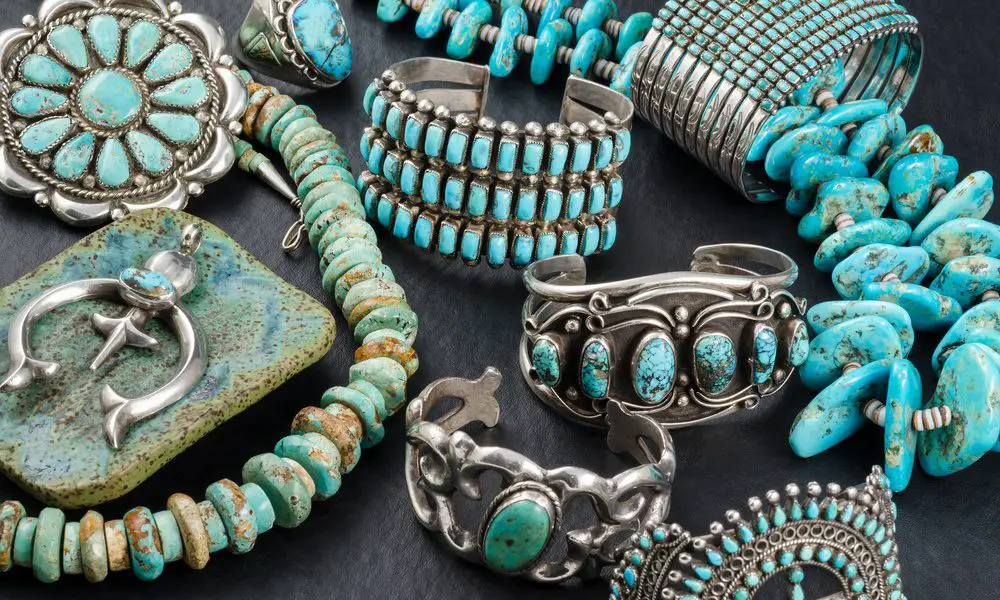
If you’ve ever stopped to check out a chunky silver bracelet or a classic Navajo concho belt, you’ve already brushed up against a legacy that goes back to Atsidi Sani. The story of how Atsidi Sani shaped Southwestern silversmithing follows one artist who took metalworking skills, mixed them with Navajo culture, and changed how people used silver. His choices helped turn silver pieces into daily wear, status symbols, and family treasures across the Southwest.
The history of Navajo jewelry as a cultural art form goes back many generations. But the bold silver craftsmanship seen today started with Atsidi Sani. He grew up as a Navajo artisan and horseman in the mid-1800s and picked up metalworking techniques from Mexican smiths near military forts. He brought those skills home and started shaping silver into bridles, belts, and personal adornment that stood out in his community.
People around him called him “Old Smith” because he worked directly with metal and fire. He taught relatives and neighbors, turned silver into status pieces, and connected craftsmanship with cultural pride. His influence set the foundation for later Navajo silversmiths, and his name still comes up whenever people talk about early Southwestern silverwork.
Atsidi Sani shifted silver from a rare trade material into a regular part of Navajo daily life. He started shaping silver into practical pieces that people could wear and use, like bridles, buttons, and buckles, not just decorative one-off items.
His work showed that silver could signal status, tell stories, and travel with the wearer. That change turned silversmithing into a respected skill in the community and encouraged more Navajo artists to learn the craft for themselves.
Atsidi Sani didn’t keep his silversmithing knowledge to himself. He taught his sons, other relatives, and community members how to work silver and shaped a new generation of Navajo silversmiths. His teaching style focused on observation, repetition, and steady improvement at the bench. Many later silversmiths traced their roots back to his lessons, which kept his influence moving forward long after his lifetime.
Atsidi Sani preferred bold, eye-catching silver that showed clear shapes and strong lines. Stamped patterns, clean edges, and balanced layouts appeared in his work early on and set a standard other makers followed. He used silver to frame turquoise and other materials in ways that drew attention to both the stone and the metal. Later Navajo silversmiths carried those design habits forward, so his style helped shape what many people now recognize as classic Southwestern jewelry.
Atsidi Sani did his work in a busy environment of trade routes, forts, and camps. He often traded silver bridles, buckles, and ornaments for horses, tools, and supplies. His pieces moved from hand to hand, so people outside his home area saw Navajo silver for the first time. That movement turned his work into a quiet form of advertising for Navajo craftsmanship and helped spark demand for similar silver styles across the Southwest.
Modern collectors and artists still feel the results of how Atsidi Sani shaped Southwestern silversmithing. His experiments with design, teaching, and trade turned silver into a core part of Navajo creative life. The bridles, buckles, and jewelry many people admire today trace back to choices he made with a hammer and anvil in the 1800s. When you see bold Navajo silver, you’re seeing a living craft that he helped start and his community keeps moving forward.
If you don’t know how temperature changes can affect your car every year, dive into…
Discover practical ways to upgrade your home backup power setup, from fuel storage to noise…
Back pain can gradually become one of the most frustrating health problems, affecting everything from…
Improve jobsite safety with practical HDD drilling precautions, equipment inspections, and utility awareness to help…
Plan a memorable Salem getaway with historic walking tours, waterfront dining, fascinating museums, and charming…
Create cleaner embroidery designs with practical tips for fixing thread breaks, puckering, skipped stitches, and…