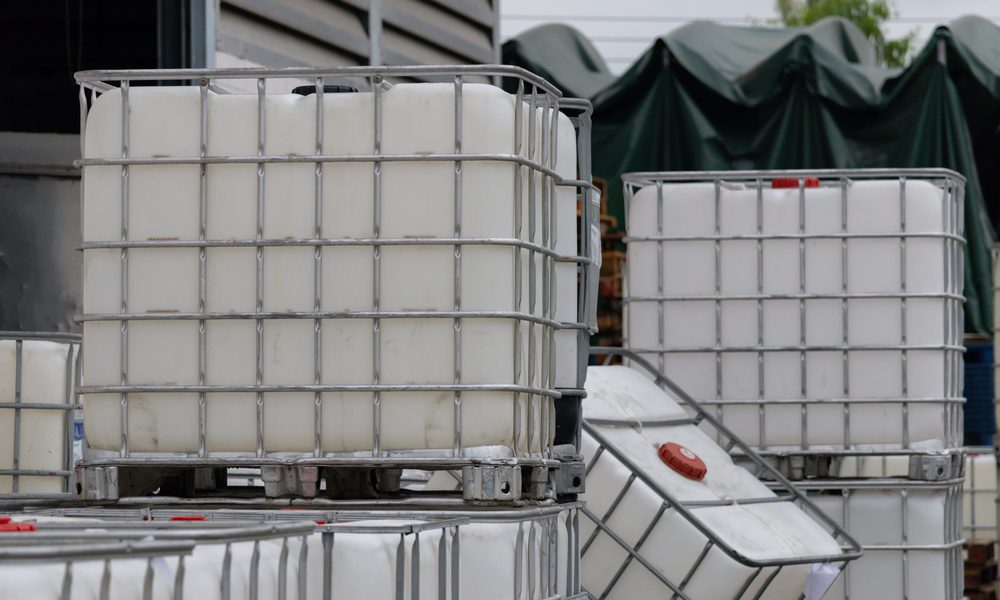
Tote fleets generate plenty of data, yet crews rarely benefit from records buried in broad reports or inconsistent notes. The most useful systems focus on decisions made at the loading bay, during inspection, and before a container returns to service. Chemical fleet records that crews actually need should make a container’s condition and history clear without forcing workers to interpret scattered information.
Every tote needs a stable identifier that follows it through filling, transport, cleaning, and reuse. When labels change, or handwritten markings replace the primary record, crews lose confidence in the container’s history. A consistent asset ID ties each physical tote to the correct digital record and reduces mistakes during handoffs.
Crews need to know what a tote previously carried before assigning it to another product. Residue and compatibility concerns depend on that history, so vague descriptions create unnecessary risk. A clear product record allows workers to confirm whether the tote is suitable for its next use without relying on memory.
An inspection entry should explain the condition that was found and what happened next. Terms such as “damaged” or “checked” offer little value unless the record identifies the affected area and the disposition. Specific notes allow maintenance teams to address the correct issue and prevent operations from returning a questionable tote to circulation.
Cleaning records should show when the tote was serviced and whether it met the required release standard. That information becomes more useful when it connects directly to the tote’s current status instead of sitting in a separate log. As the chemical industry leverages AI in tote fleet management, stronger service data provides automated systems with a reliable basis for flagging delays or incomplete records.
Location tracking has value only when crews trust the last recorded movement. A tote marked at the wrong plant or staging area creates confusion that spreads through scheduling and inventory control. Timely scans at transfer points make the record useful to the next crew responsible for the asset.
Better records do not require crews to document every minor detail. They require discipline around the few facts that determine whether a tote is safe, available, and ready for its next assignment. Chemical fleet records that crews actually need turn routine documentation into a practical control that supports safer work and steadier fleet movement.
Preserve cherished memories through thoughtful fabric choices and careful craftsmanship that create a personal keepsake…
Check out all the common mistakes to avoid when buying ink for your tattoo shop…
Protective finishes depend on adhesion, coating chemistry, curing, thickness, and testing to resist wear, corrosion,…
Chemical processing equipment faces corrosion, heat, abrasion, pressure, and wear. See how facilities can protect…
Discover some practical ways to protect laboratory research integrity, from careful documentation and calibration to…
Your 30s are a good time to stop rebuying the same clothes. Explore which wardrobe…